

A change of access: what still works?
A new key or code can be useful. It helps to know which old ways in remain.
Adding access and removing access are different
A new duplicate gives someone another usable key. It does not stop the old copy working. A new code may replace one electronic route while a mechanical key remains. Begin by saying whether the goal is convenience, a lost-key concern or a change in who should be able to enter.
The right answer depends on the actual hardware and system. Do not assume that a new-looking key, fob or keypad represents a complete access change. Ask which existing keys and devices will continue to work after the proposed job.
Name the result you need.
At a home
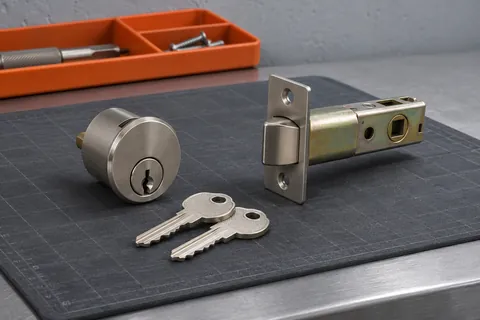
A front entrance, side door and door from the garage can have different locks. If a missing key once operated more than one of them, work on just the front door may leave another entrance unchanged. Identify the locks included before choosing the work.
Compatible rekeying may allow suitable hardware to stay in place. Replacement may be needed for condition or another access requirement. Keep the decision about the visible handle separate from the decision about which key should operate it.
At a business
A keypad may have both codes and a physical key. A tenant suite may also sit behind a common entrance controlled by management. The useful access plan accounts for those separate arrangements rather than treating every door on the route as one system.
Tell us who should retain access and who can approve the change. At LockReach, we will consider the existing equipment and the access arrangement you want. Common or managed entrances need approval from the responsible owner or manager.
For a vehicle or garage control
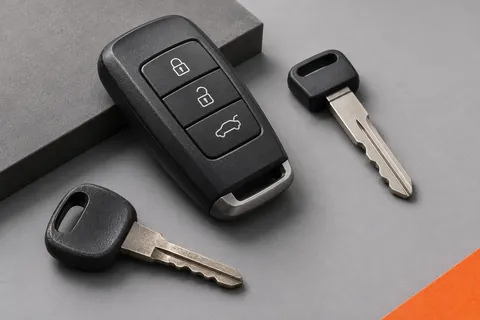
A replacement car key may involve physical entry, starting recognition and remote functions. Ask how the missing key is treated for each relevant function. Adding another key does not by itself explain what happens to the old one.
We check the opener and control compatibility before discussing an additional remote or a change to old access. Tell us which result you need. Programming another control and changing which old controls still work are separate tasks.
Write down the finished arrangement
A small record can prevent the same uncertainty later. Identify the included locks or devices, the keys or controls supplied and any access intentionally left unchanged. Keep that record without exposing codes or security details to people who should not receive them.
Then have ordinary use demonstrated for the completed work. Access changes should leave the relevant door, key or system usable as agreed. If a physical fault remains, discuss it separately rather than letting a fresh key conceal it.